Know When to Fold the Winning Hand: What Vietnamese Card Rooms Understand About Walking Away
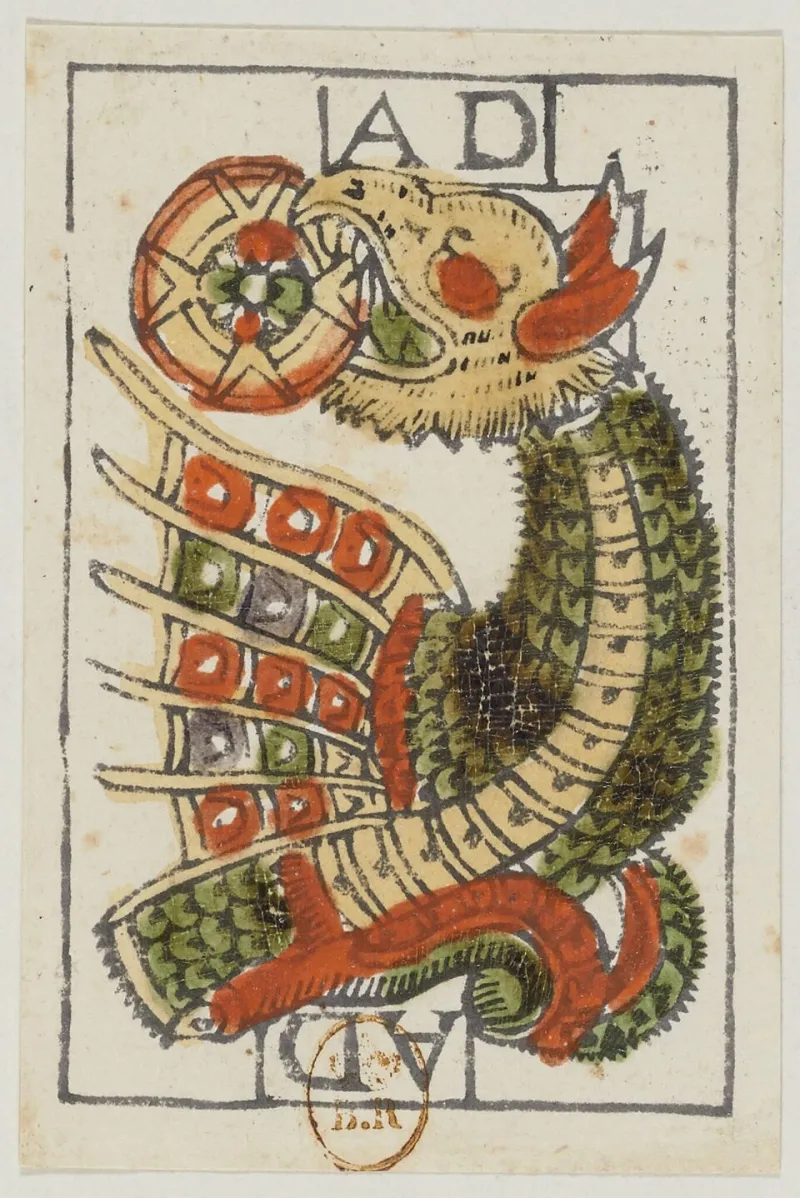
Photo: Andrea Inferrera, Public domain, via Wikimedia Commons
There's a phrase you'll hear around Vietnamese card tables that has no real American equivalent: tới trắng. It describes the moment a player goes out completely clean — no cards left, nothing hanging, a perfect exit. It's celebrated. But here's the part most US players miss: the celebration isn't really about the win. It's about the exit.
In Vietnamese gaming culture, the player who cashes out at the right moment earns more respect than the one who keeps doubling down. Compare that to the American casino floor, where the prevailing mythology is 'one more hand' — one more spin, one more shoe, one more chance to turn a good night into a legendary one. We've all seen how that movie ends.
The Hot Streak Illusion
Here's the uncomfortable math: a hot streak is a memory, not a promise. Every hand you play after a win is a fresh event with the same house edge as the first one. The streak doesn't carry forward. Yet the feeling of being 'hot' convinces us the odds have shifted in our favor, when in reality nothing has changed except the size of the stack we're now risking.
Casinos — online and off — understand this better than anyone. Loyalty programs, free drinks, 'you're on fire!' notifications: they're all engineered to keep a winning player seated. The longer you stay after a win, the more likely the house claws back everything you took.
What the Vietnamese Table Teaches
Spend any time around traditional Vietnamese card games — Tiến Lên especially — and you'll notice players talk openly about kịp thời dừng lại: knowing when to stop. It's not seen as timid. It's seen as skilled. A player who leaves the table up modest amounts, night after night, has a reputation. A player who won big once and donated it all back is a cautionary tale told with a laugh, but a warning all the same.
That's a mindset worth importing. American gambling culture tends to frame quitting as losing — you 'missed out' on what you might have won. The Vietnamese framing flips it: quitting while ahead is the win. Everything after that is just lending money back to the house.
Practical Exit Strategies You Can Actually Use
This isn't just philosophy. Build a few rules before you log in, while your judgment is sober and unclouded by adrenaline:
The 50% rule. When your bankroll grows 50% above your starting amount, pull half of it out. Immediately. Not after the next hand. If you deposit $100 and hit $150, withdraw $50. You're now playing with the house's money, and your downside is zero.
Set a win limit, not just a loss limit. Most players set a stop-loss and call it discipline. Flip it: decide before you play the amount at which you will stand up and leave, no exceptions. Write it down. A win limit feels unnatural at first — that's how you know it's working.
The three-hand cooldown. After any significant win, force yourself to sit out three hands before deciding whether to continue. The urge to press a streak is strongest in the ninety seconds right after the win. Wait it out and the decision gets dramatically easier.
Withdraw before you celebrate. On reputable online platforms, the withdrawal button is your best friend. Cash out first, then decide how much of the remainder you're willing to risk. If a site makes withdrawals slow or painful, that itself is a review red flag — payout speed tells you more about a casino than any bonus ever will.
Why 'One More Hand' Costs So Much
Behavioral economists call it the hot-hand fallacy; card players call it chasing. Either way, the pattern is identical: a win raises your reference point, and every subsequent loss feels like reclaiming what's yours rather than losing new money. That's how a $300 winning session becomes a $300 losing one without a single memorable decision in between. It doesn't feel like giving money back. It feels like getting even.
The Vietnamese card room instinct cuts straight through this. Pocket the winnings. Leave the table clean. Come back another day with fresh eyes.
The Takeaway
No strategy changes the house edge. But exit discipline changes your edge over yourself, which is where most bankrolls actually die. The next time you're up and feeling invincible, borrow a little wisdom from the tables of Saigon: the best hand you'll ever play might be the one you don't.
Play smart, cash out clean, and treat every win like it's borrowed — because if you stay long enough, it is.