Twenty Minutes at the Penny Tables: The Cheapest Test a Casino Can’t Fake
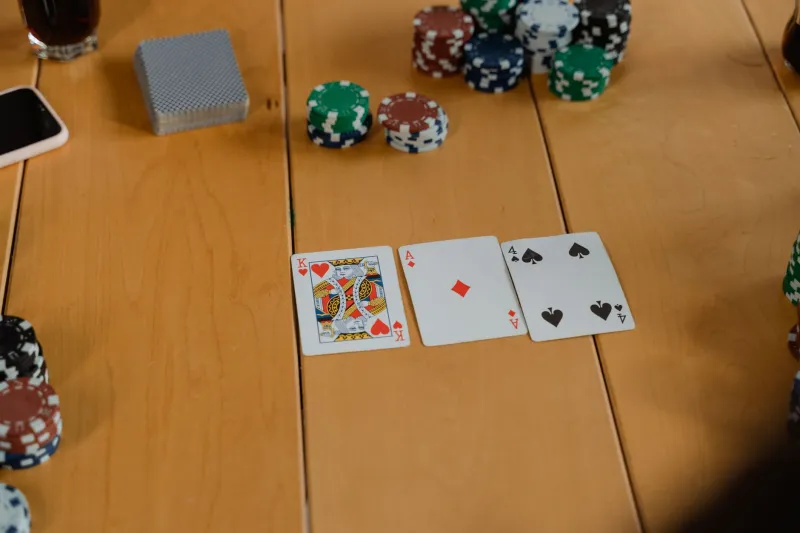
I have a cheap ritual before I deposit at any online card room. I ignore the featured tables, the tournament banners, and the live casino lobby with the smiling dealer in the thumbnail. I go straight to the lowest-stakes card tables in the building. Then I watch for 20 minutes.
This is not because I am a penny-player at heart. It is because the cheap seats are the most honest seats in the house. At high stakes, casinos put on a show. At micro-stakes, nobody is performing. The bots still run. The rake still bites. The dealer still has to keep pace. And the site's real attitude toward casual players shows up when there is no VIP host watching.
At GameNoHu Uy Tín, we review platforms through the player's lens, and this is one of the simplest tests we recommend. You do not need an account. You do not need a deposit. You need 20 minutes and a notepad.
Why the Cheap Seats Are the Honest Seats
The lowest-stakes room is where a card room's economics are most visible. A site can hide a bad rake at $5/$10 because the pots are large enough that players do not feel the pinch on every hand. At a $0.01/$0.02 table, the rake is a larger share of the pot, and the pressure shows. You can see how often the site takes a cut, whether the cap is reasonable, and whether the table is designed to keep hands moving or to squeeze every cent.
The cheap tables are also where casual players go. That makes them a test of customer treatment. Does the site pair new players with bots and silent grinders? Does the dealer chat respond to basic questions? Does the table have a minimum buy-in that feels predatory for the stake? These are not abstract review points. They are the experience you will have at bigger buy-ins, just with more zeros.
The 20-Minute Observation Loop
Here is the loop I run. First five minutes: watch hand timing. Are actions coming at human speeds, or is every bet exactly 1.2 seconds apart? Do the same usernames appear at multiple tables with identical bet sizes? Bot patterns are rarely one obvious tell. They are a rhythm: fast folds, no chat, no breaks, and bet sizing that never varies with the story of the hand.
Next five minutes: watch the rake and the pot. Pick three pots and estimate the rake as a percentage. Check whether the site takes a cut preflop or only postflop. If the rake is high at the cheapest stake, it will not get better when you move up. It will just be easier to ignore.
Next five minutes: watch the dealer, if it is a live table. Is the pace steady? Does the dealer skip a player, misread a hand, or rush the showdown? A live dealer who cannot keep a micro-stakes table moving will be worse at a table with more action and more distractions.
Final five minutes: watch how the room treats the quiet players. Does anyone greet a new arrival? Does support respond in chat? Are there players sitting out for long stretches without being booted? A room that ignores its cheapest tables is telling you where its priorities live.
What Predicts Bigger Buy-Ins
The cheapest table is not a perfect preview, but it is a useful one. If the micro-stakes lobby is full of silent bot-like accounts, the mid-stakes lobby probably has them too. If the rake feels heavy at pennies, it will feel heavy at dollars. If the live dealer is sloppy at a casual table, the high-stakes table will not magically fix the pacing.
The reverse is also true. A room that runs a clean micro-stakes table tends to run a clean lobby. Fair rake, responsive chat, human pacing, and a mix of casual players are good signs at any limit. Those are the rooms that treat the lowest-stakes player like a customer, not a rounding error.
Red Flags That Follow You Upstairs
- Every table has the same five usernames, all silent, all betting identical amounts.
- The rake at the cheapest stake is above 5 percent with no clear cap.
- The live dealer cannot explain a showdown or rushes the table.
- New players are seated with obvious grinders and no seating choice.
- Chat support ignores basic questions but responds instantly to deposit prompts.
- The minimum buy-in at micro-stakes is too large for the stake, pushing casual players out.
The Test I Run Every 2026
I do not need a bonus banner to tell me whether a card room is trustworthy. I need 20 minutes at the cheapest table in the lobby. If the room cannot handle a penny table with patience, fair rake, and human pacing, it does not deserve my deposit at any stake. That is the quiet table test. It is cheap, fast, and very hard for a casino to fake.